Reference: 1232


Coffee senna is a shrub from the Fabaceae family. It is a small tree that can reach up to 1.5 meters in height. Its growth is relatively fast. It is native to tropical and subtropical regions, particularly in Africa, Central America, and South America. It is often found in open areas, pastures, and cultivated lands.
Its leaves are composed of several leaflets, usually ranging from 4 to 8 pairs, which are oval and slightly pointed. They are a bright green, giving the plant a beautiful appearance. The leaflets are arranged oppositely on the stems, creating a dense and voluptuous look.
The flowering is a captivating sight. The flowers, which usually appear in clusters, are bright yellow, bringing a cheerful brightness to the plant. Each flower measures about 2 to 5 cm in diameter and features the typical shape of a legume flower, with delicate petals opening into a beautiful corolla. The flowering period generally extends from summer to autumn.
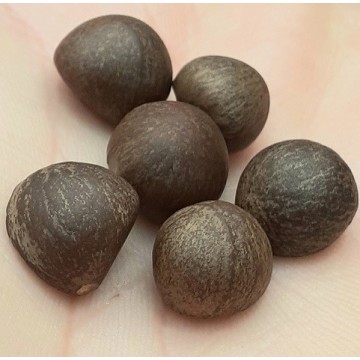
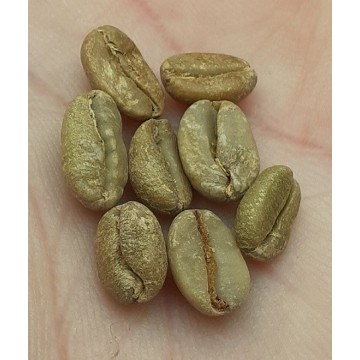
Coffee senna seeds from Senna occidentalis are oval, dark brown to black in color, and measure approximately 1 to 2 centimeters in length. Their surface is smooth and shiny.
The soil should be well-drained, fertile, and rich in organic matter. It can thrive in clay, sandy, or loamy soils, but it is essential to avoid soils that are too compacted or waterlogged.
This plant loves very sunny exposures. A location where it receives at least 6 hours of direct light per day promotes optimal growth. It can tolerate partial shade, but this may slow its development.
It is a tropical plant that thrives in warm temperatures, generally between 20 and 30°C. It is sensitive to frost and is not hardy; therefore, it must be brought indoors or grown in a mild climate.
It requires regular watering, especially during dry periods and upon planting. The soil should remain slightly moist without being waterlogged. Good drainage is crucial to prevent root rot.
Its modes of reproduction are either by seed or by cuttings during the summer period.
The "grande casse" (another name for the shrub) can be attacked by various pests, including aphids, mealybugs, and mites. It is important to monitor for these insects and act quickly with appropriate treatments to prevent infestations.
Your review appreciation cannot be sent
Report comment
Report sent
Your report cannot be sent
Write your review
Review sent
Your review cannot be sent

check_circle
check_circle