Reference: 1232


Liquorice, also known Glycyrrhiza glabra in Latin, is a wild herbaceous perennial belonging to the large Fabaceae family.
This hardy plant typically measures between 1 and 1.5 meters in height.
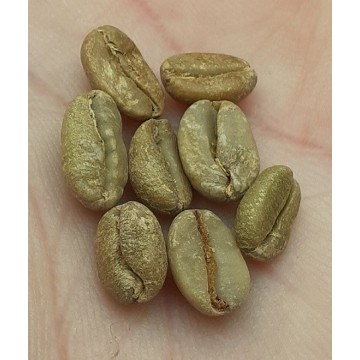
Liquorice seeds are brown, relatively round, and measure 2 millimeters in diameter. They are found in pods in groups of 3 to 5 from September until the end of October.
Its green leaves are thin and elongated, composed of several leaflets.
Aromatic roots are brown, long, slender, and deeply anchored in the soil.
In the spring, its flowers bloom in clusters of small purple blossoms. Their sweet fragrance attracts bees and butterflies, creating a lovely floral display in the garden.
Licorice is primarily used in the food industry for the manufacture of confectionery, beverages, and syrups. Its extracts also serve as a flavor enhancer in certain tobacco products and medicines.
In herbal medicine, its roots are valued for their anti-inflammatory and digestive virtues against sore throats and gastritis. It is also used in cosmetics for its skin-brightening and soothing properties.
Do not consume without medical advice from a healthcare professional.
Liquorice requires soil rich in organic matter; a basic potting soil suits it perfectly. Ensure the substrate is well-aerated by adding vermiculite or gravel.
When grown in pots, liquorice is very water-hungry. It should be watered at least once a week in winter and three times a week in the height of summer. For outdoor ground cultivation, watering once a week is usually sufficient.
This plant is not demanding regarding its exposure. Whether in partial shade or full sun, it will grow perfectly well and relatively fast. For indoor cultivation under artificial lights, neon tubes, MH, or HPS lamps are preferred.
There are two effective ways to multiply liquorice: either by seeds or by root cuttings. For the latter, take a piece of root about 5 cm long and plant it in a mix of potting soil and sand during the autumn.
Resistant to most diseases and pests, it can occasionally be attacked by red spider mites.
Your review appreciation cannot be sent
Report comment
Report sent
Your report cannot be sent
Write your review
Review sent
Your review cannot be sent
Reference: 0233
Reference: 0213
Reference: 0136

check_circle
check_circle