Reference: 1232


Kenaf, also known as Deccan hemp, is a fast-growing, perennial, and prickly herbaceous plant. It measures approximately 2 meters in height and belongs to the Malvaceae family. It is native to Southeast Asia, Central America, and tropical regions of Africa.
The leaves of this textile hibiscus are alternate, palmate-lobed, dark green in color, and have a slightly rough texture. They measure on average 10 to 12 cm in length.
Its flowers are large and attractive, with petals that are yellow, cream, or sometimes reddish. Flowering generally takes place during the warm months, and the flowers remain in bloom throughout the day.
The fruits of this exotic plant are elongated capsules that usually contain several seeds.
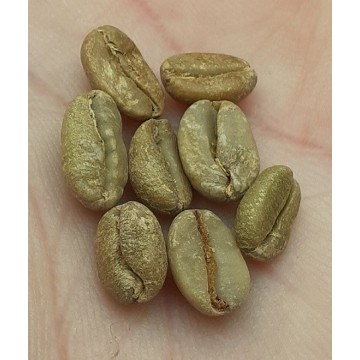
Kenaf seeds from Hibiscus cannabinus are gray, very robust, triangular in shape, and measure 6 millimeters in length.
It grows in a well-drained substrate rich in organic matter as well as minerals. Adding compost or well-decomposed manure during planting can improve soil fertility and, consequently, plant growth.
This variety of textile hemp requires full sun exposure to reach its growth potential. It can be grown outdoors in warm regions or in a greenhouse in cooler climates.
It grows very well when temperatures range between 20°C and 30°C. It can tolerate slightly higher temperatures, but frost can be fatal. It is recommended to plant this frost-sensitive species only after the last winter frost. Its USDA hardiness zone is 10.
Hibiscus cannabinus needs a constant supply of water, especially during periods of active growth. Regular watering every two days is essential.
There are two effective ways to reproduce it: either by seed or by taking 15 cm stem cuttings during the summer period.
This article was written by Julien on 07/08/2026.
Your review appreciation cannot be sent
Report comment
Report sent
Your report cannot be sent
Write your review
Review sent
Your review cannot be sent

check_circle
check_circle